

Reporting and Advisory
Gross profit margin: what it tells you and what it does not
One of the most useful numbers in a small business, and one of the most often misread.
Reporting and Advisory
A job can feel like a win and still return very little once labour, materials, rework and unbilled time are counted.
Written by Leanne Berry, Registered BAS Agent
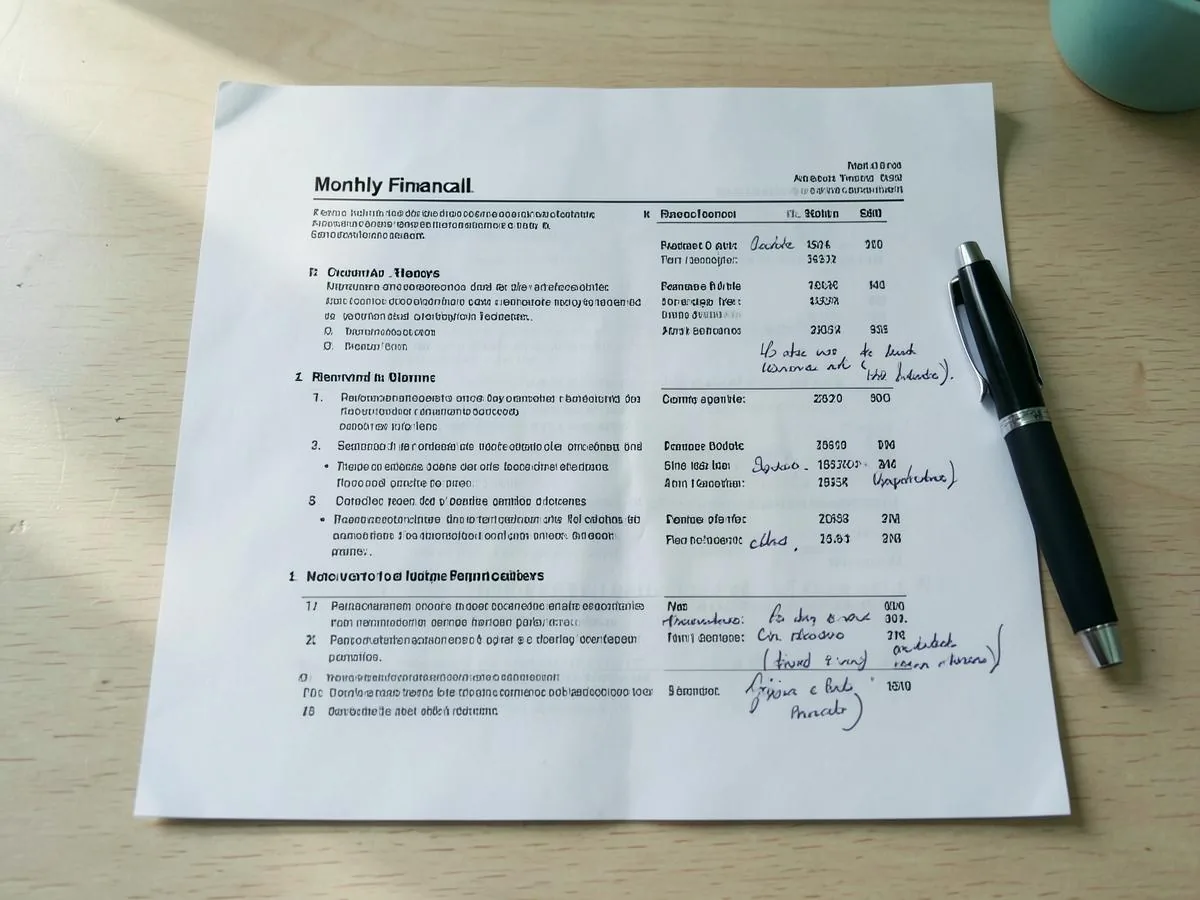
Revenue is the easiest number to notice and the least useful one on its own. The invoice value of a job says nothing about what it cost to deliver.
Working out whether a job was genuinely profitable is less about clever analysis and more about capturing the right information while the work is happening.
Most jobs do not lose money in one dramatic moment. They lose it in small amounts that nobody records: an extra half day on site, a material order that was not passed on, a subcontractor invoice that arrived after the job was closed.
Job profitability depends on the discipline before the report, not the report itself. Time needs to be recorded against the job, supplier invoices need to be coded to it, and variations need to be written down when they are agreed rather than remembered later.
It also needs a clear rule about when a job is closed. If costs keep landing after the job has been reported on, every figure is provisional.
If your accounts only record revenue and costs by category, you can see the whole business but not the individual pieces of it. Job or project analysis needs a consistent way to tag transactions to the work they belong to.
That usually means agreeing a job or project code and using it everywhere: quotes, timesheets, purchase orders, supplier bills and invoices. Consistency matters more than sophistication here.
There is no universal margin that a job should return. What a healthy result looks like depends on your industry, your overheads and how you price. Comparing your own jobs against each other is far more informative than comparing them to a figure you read somewhere.
Patterns are the payoff. When you can see which customers, job types or sizes consistently return less, you can decide whether to reprice them, change how you deliver them or stop chasing them.
It is worth reviewing finished jobs while the detail is still fresh. A short look at the two or three largest jobs each month usually teaches you more than a full analysis attempted once a year, and it gives you the chance to fix the quoting or the process before the same job comes around again.
Before you trust a job profit figure
WHERE TO NEXT
We can look at how your job information is captured and what it would take to report on it properly.
MORE ARTICLES
Reporting and Advisory
One of the most useful numbers in a small business, and one of the most often misread.

Reporting and Advisory
A profit on the report and an empty feeling in the bank account are not a contradiction. They measure different things.

Reporting and Advisory
Break-even is not an accounting exercise. It is the number that tells you how much work has to happen before you earn anything.
STAY UP TO DATE
Yes, please send me new Love Your Numbers articles, resources and practical business-number updates by email. I can ask you to stop at any time. See our Privacy Policy.